
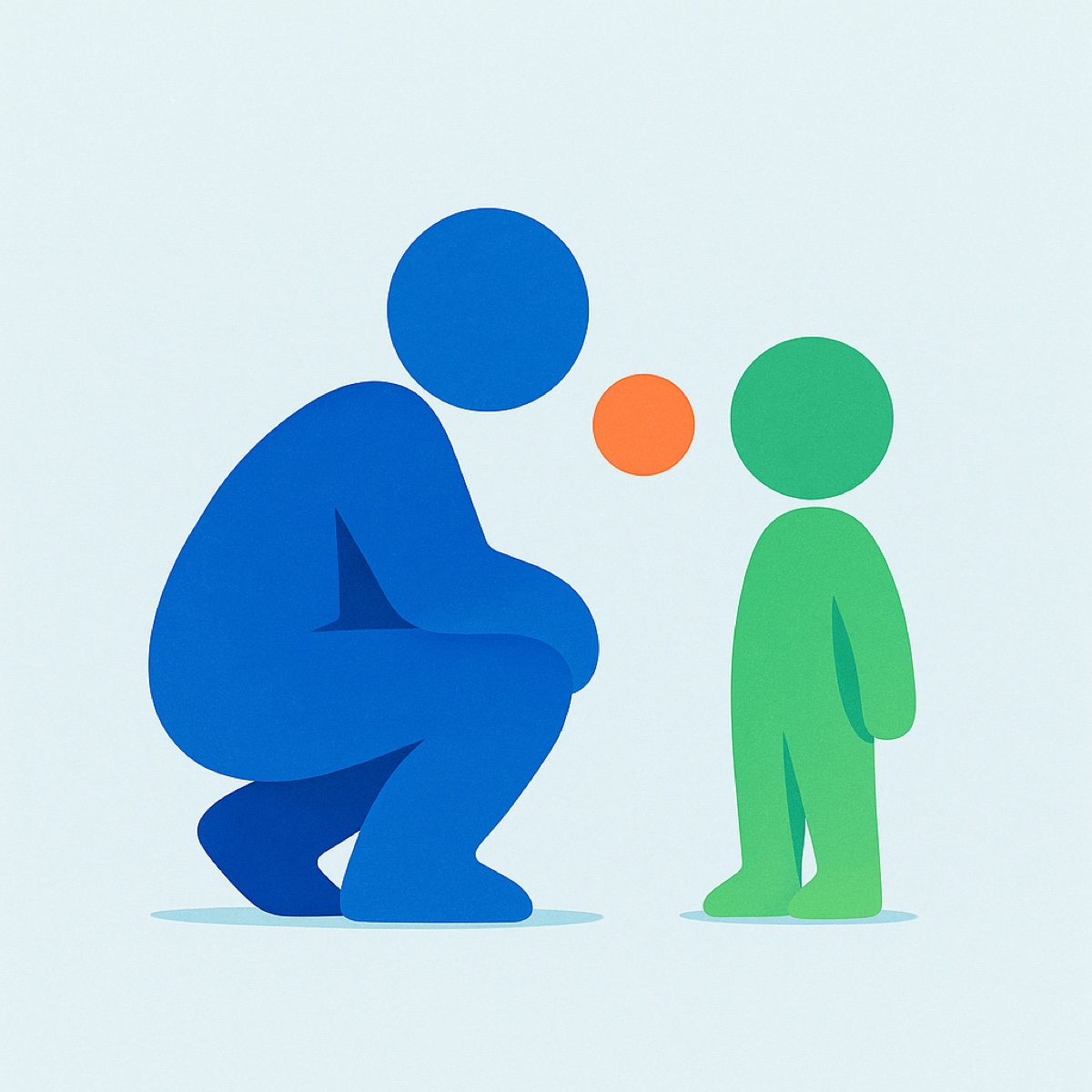
When Marito loses his temper, his mother sends him to his room until he's calmer. She lets him own his irritation while making clear she won't talk with him in that state. If she shouts back, the exchange escalates, especially with a preteen or teenager. Children have real emotions (nervousness, confusion, irritation) and need them understood and accepted.
Empathy, not pity
Adults want the same thing. If a worried parent confides in a friend about a sick child and hears "Don't worry, all kids get sick," they feel dismissed. A response that acknowledges the fear and suggests a second opinion makes them feel understood. Being told our feelings are wrong, or that we should feel differently, doesn't help. Neither does pity ("Oh, poor thing"). What we want is empathy: someone stepping briefly out of their own viewpoint to see things from ours.
Listen to body language
Carlitos shuffles in looking dejected and says he finished his math homework. A father who answers "Good, you finished" without looking away from the TV hears the words but misses the feeling. An empathic father notices the tone and posture: "You finished, but you don't look happy. Come tell me why." Empathy means sharing and understanding the feeling first, without judging or correcting, and only then helping the child work through it. Children also need to learn that not every feeling has to be acted on; some just need to be expressed and shared.
Example. Three-year-old Ana María runs to her mother, frightened by a plane overhead. The typical response explains that it's only a plane and there's nothing to fear, which tries to argue away the emotion. The empathic response is a hug and "What a loud noise, I understand you're scared." Once the child feels understood and calm, logic can come in. Empathy, the author says, is listening with the heart.
Why parents struggle to be empathic
Parents need some inner peace to enter a child's world. An exhausted father worried about bills, or a depressed mother going through the motions, can barely hear their children. Parents also fail at empathy when they insist children react the way they would, or when they're afraid of emotions and treat other people's feelings like hot potatoes. Being open to our own feelings without judging them makes it easier to accept our children's.
Benefits
Empathy tells a child: the way you see things matters to me, and you are worth my time. Children treated this way grow up secure, with good self-esteem, and learn to treat others with the same understanding. When children expect not to be understood, they stop talking, and parents and children become strangers.