
Two mothers are interrupted repeatedly. Martha says, "You're disrespectful and rude!" María's mother says, "I'm tired of your interruptions; you won't let me talk!" The first passes judgment from on high and labels the child, striking at his self-image. The second expresses her own feelings and the effect of the behavior, which teaches the child and makes change more likely. Belittling, judging, shaming and punishing leave children feeling unloved and with a poor self-image, and children act in line with how they see themselves.
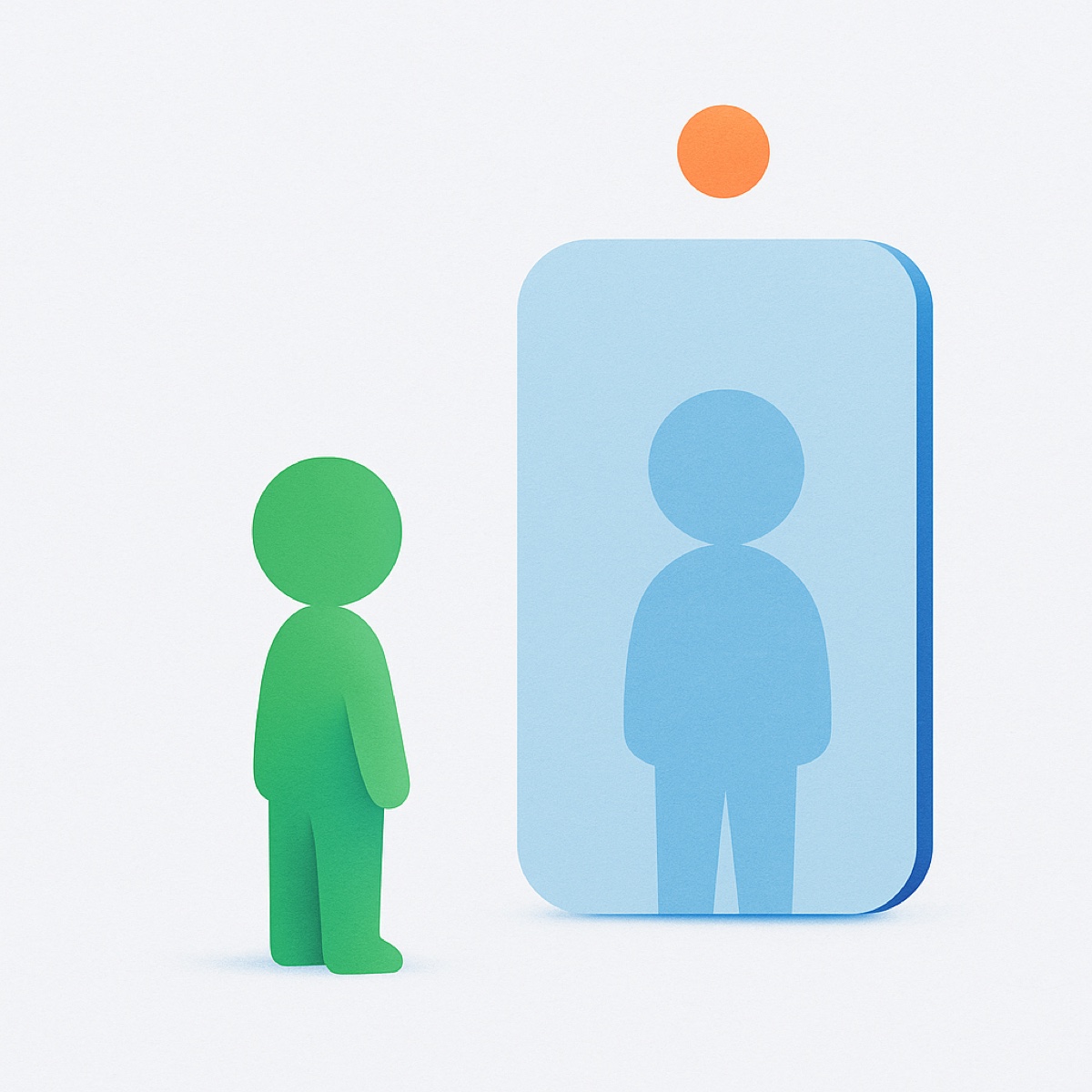
Be a mirror, not a judge. Parents should show the child the effect of the action rather than issue verdicts. The author contrasts two parents:
- Parent A: "You're lazy, you'll never amount to anything." "Look how neat your brother is; you're a disaster." "You're mean to your little brother; you have no feelings."
- Parent B: "I'm worried about your grades. What's going on? Let's see how I can help." "I don't want to keep picking up your things; you'll feel more comfortable if you keep things in order." "It hurts Carlitos when he's pinched. You wouldn't like it either."
Parent A's words produce guilt and hurt, and every attack invites a counterattack; the child may keep misbehaving out of spite. Labels also teach the child that their actions and their worth are the same thing ("If I act badly, I'm a bad person"), so self-worth rises and falls with each mistake. Even if parents don't believe their child is bad or stupid, saying so makes the child believe it. The author links this to adults who accept mistreatment from partners or employers because they feel they deserve nothing better.
How to avoid judging
Talk about what you feel and the results of the behavior, without labels such as lazy, messy, slow, selfish or shameless. Instead of "You're always so slow!" say "I see we'll be late for school." Instead of "Don't be dirty," say "Later you'll need to clean up the crumbs." Instead of "Liar!" say "I want to be sure what you say matches what you do; I value it when you tell me the truth." Instead of an insult, say "I'm afraid something will happen to you when you play in the street."
Most of us were judged all our lives and judge constantly, even ourselves ("How stupid I was!"). Breaking the habit means catching yourself and replacing the judgment with something constructive, such as answering a friend's mistake with "I did something similar once and regretted it." It takes vigilance and practice.
Benefits
The child will still be judged by friends, teachers and bosses, but a child who wasn't crushed by judgments from the important people in their life can shrug those off. They'll grow up secure, won't feel attacked or need to counterattack, won't be weighed down by guilt, will treat others constructively, and will value themselves, which leads others to value them too.